Strategic Guidance for Developing Climate-SRHR MEL Plans at the Project Level

Be as clear and specific as possible in your MEL plan.
A strong and effective MEL can serve as a resource for you throughout project implementation. Developing a MEL plan is also a valuable opportunity to work with the entire project implementation team to ensure everyone is aligned on the specifics of what the project will entail.
Your MEL plan should include:
Project goals and objectives
Output, outcome, and impact indicators used to track progress towards project goals
Clear definitions of indicators
A description of the tools, methods, and data sources used to track indicators
The frequency of data collection
Who will be responsible for data collection
Who will be responsible for reporting
Community accountability mechanisms
Reporting and data sharing outputs, including format, timing of share-out, and recipients
Resources for MEL plan implementation, including time, staffing, and budget
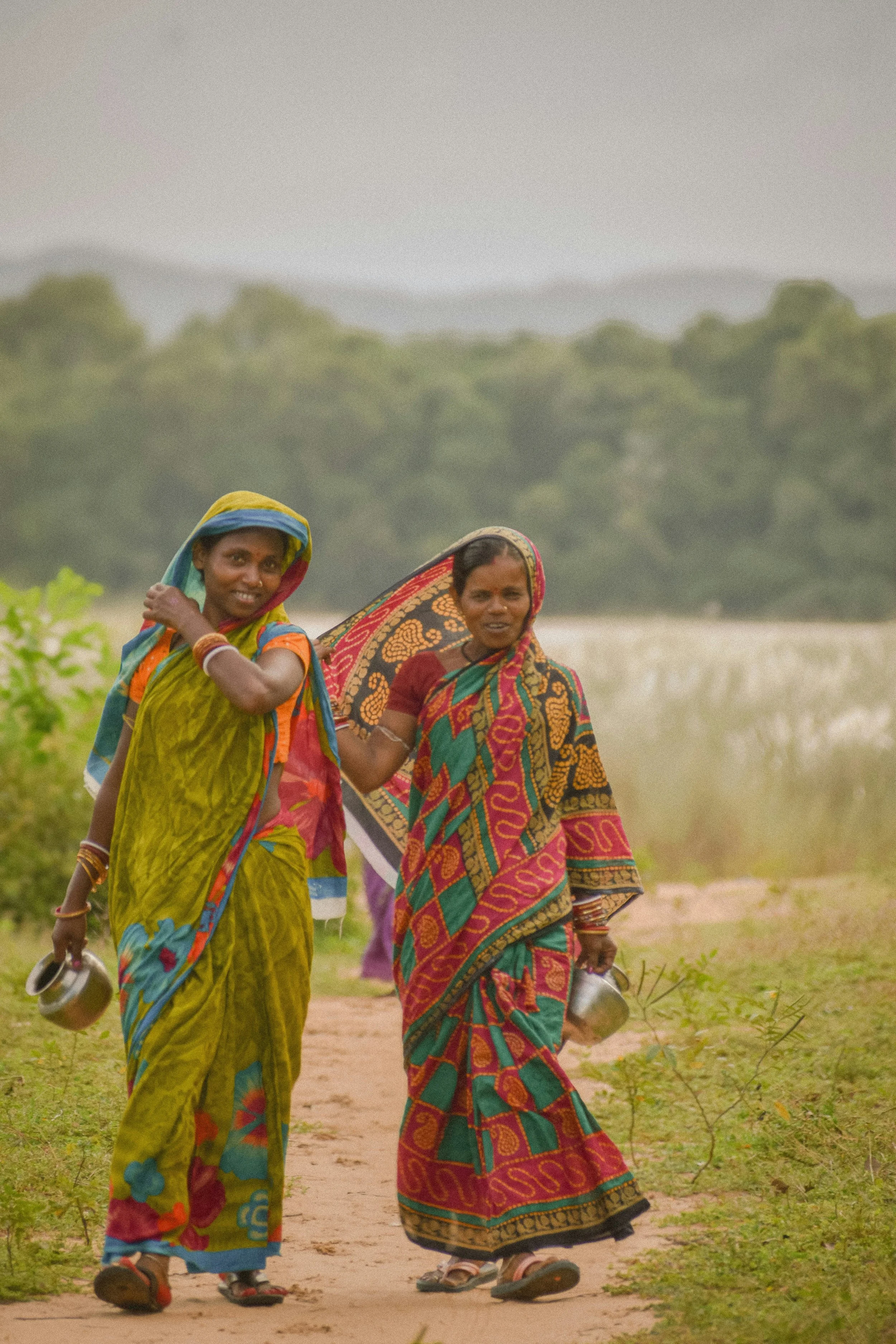
Think strategically about how you can demonstrate impact.
Many climate-SRHR projects aim to contribute to large-scale, societal shifts in health outcomes and climate resilience. Short-term projects may find it challenging to document their contribution to these types of changes, because such impacts often take time to generate. However, documenting impact is a critical part of generating evidence about effective practices and creating a strong pathway to scaling those practices.
Start by focusing on a few key questions that can be used to indicate your project’s impact - whether it is a small pilot or a multi-country program:
Why does it matter?
What change occurred, or is expected to occur, because of this project? How will that change - directly or indirectly - contribute to improved SRHR or climate resilience?
Who benefits?
What groups of people does the project focus on, and why? Are the people who are reached through this project groups who would be otherwise unserved or vulnerable? How did the project reach vulnerable populations, such as youth, women, people with disabilities, people living in poverty, people with limited education, etc.? If multiple groups were reached through similar activities, also document whether certain groups benefitted more from those activities than others, and why.Is there a comparative?
Have you analyzed your project’s impact against the counterfactual? Have you looked at the incremental impact achieved since baseline or compared to control groups? When this is not possible, it can be proxied by looking at how margins of improvement in implementation regions may compare to national / regional trends.Is it durable?
How much change is observed, and what is the durability of that impact? For example, this could mean looking at 12-month discontinuation rates for short acting methods of contraception, or looking at longer-term follow ups for initiatives that aim to improve learning or behavior change.How rigorous were the methods?
When evaluating impact, were rigorous approaches used to draw conclusions? For example, consider sampling methods, sample size, measurement tools, statistical analysis approaches, etc.

Diverse approaches can help you to understand a project from multiple perspectives.
There is no one “right way” to do MEL for climate-SRHR projects. Using diverse MEL approaches can ensure that you are able to gather data that meets needs of the project, funder, beneficiaries, and other stakeholders.
Both quantitative and qualitative methods can be powerful tools for storytelling, advocacy, and evidence generation. While quantitative data can provide powerful evidence of measurable change generated by a project’s activities, qualitative data plays a powerful role in contextualizing that evidence and understanding why specific trends were observed.
Practical decisions around implementation processes and project management can also be strong factors in a project’s success. Careful documentation of implementation processes, as well as regular learning sessions, can help to identify these factors. This could include things like making childcare available to participants, choosing to use more expensive temperature dataloggers that have a longer battery life, considering gender of staff when conducting outreach, specific team skills or capacity building activities, etc.
Finally, community-centered MEL approaches can ensure that project data reflects local knowledge and values. This may look like hosting focus groups with participants when building a MEL framework to understand what factors would make them feel more resilient to climate change, so that way those elements are appropriately integrated into project activities and indicators. It could also look like using participatory MEL approaches, instituting community accountability mechanisms, and engaging in regular share-back sessions.

Tool: Participatory and inclusive MEL approaches
CGIAR’s Gender and Inclusion Toolbox: Participatory Research in Climate Change and Agriculture is a valuable resource for identifying participatory, gender-responsive activities appropriate for rural communities facing climate change. The toolbox also includes logistics and planning resources. The Equality Fund’s report Feminist Approaches to Monitoring, Evaluation, & Learning: Overview of Current Practicesalso provides practical examples of a range of participatory, feminist MEL approaches. CDKN’s Advancing Gender Equality and Climate Action: A practical guide to setting targets and monitoring action also provides a range of inclusive strategies, recommendations, and case studies.
Document what you’ve learned, and share results widely.
Climate-SRHR projects are the frontlines of action research. These projects generate much-needed evidence about what works, what doesn’t, and what’s still needed when it comes to addressing the impacts of climate change on SRHR. Yet without strong documentation, everything that is learned through a project can easily be lost.
Document key facts: Quick reference materials like project factsheets can make it easy for others to find key information about open and complete projects. Include basic information, like the timeline, funder, and beneficiaries reached, as well as any evidence around the change generated by the project, how data were used to inform project activities and future programming, and any lessons learned. Store all project data in a well-organized database so you can easily refer back to it in the future.
Talk about your challenges: When it comes to climate change and SRHR, learning what doesn’t work is just as important as understanding what is effective. By speaking openly about programmatic challenges, implementation gaps, and strategies that didn’t yield the benefits you anticipated, you’re helping other organizations avoid similar pitfalls in the future.
Learn as you go: MEL is a continuous, iterative process. Ongoing learning sessions with staff are a valuable way to capture learnings during implementation, including process adaptations that might otherwise be missed.
Build the evidence base: Though conducting formal research often comes with additional burdens - it can require additional technical expertise, incur more costs, and can be a slow process - it is also valuable for rigorous evaluation and documenting a project’s impact. Consider partnering with research institutions to augment your organization’s budget and technical capacity.
Forward local voices and human stories: The data that you collect through a project’s MEL framework ultimately reflects the voices and experiences of the many participants in that project’s activities. Qualitative methods and multimedia storytelling can bring their experiences to the forefront, resulting in powerful stories that speak to the tangible impacts that beneficiaries of climate-SRHR projects experience.


Looking for more guidance? Jump to Technical Guidance Monitoring, Evaluating, and Learning from Climate-SRHR Action for more.