
CASE STUDY 12
Youth-Led Citizen Science to Drive Gender-Responsive Climate Policy
Sri Lanka

Context
Sri Lanka is among the world’s most climate-exposed countries, facing sea level rise, urban heat waves, water scarcity, and displacement. These environmental pressures intersect with health and gendered vulnerabilities: reduced fish harvests have been tied to household stress and increased domestic violence. At the same time, adolescent girls and women face heightened risks from inadequate menstrual health infrastructure during urban heat stress and flooding. Despite these realities, national policies often overlook such gendered dimensions, creating a gap CIN seeks to address.
Organization
The Climate Intelligence Network (CIN) is a youth-led initiative founded in Sri Lanka in 2023 to engage women and youth in real-time citizen science climate data collection and storytelling, in particularly climate-vulnerable areas of Sri Lanka. CIN works to democratize climate data and center women’s and youth’s experiences to inform decision-makers better.
Approach
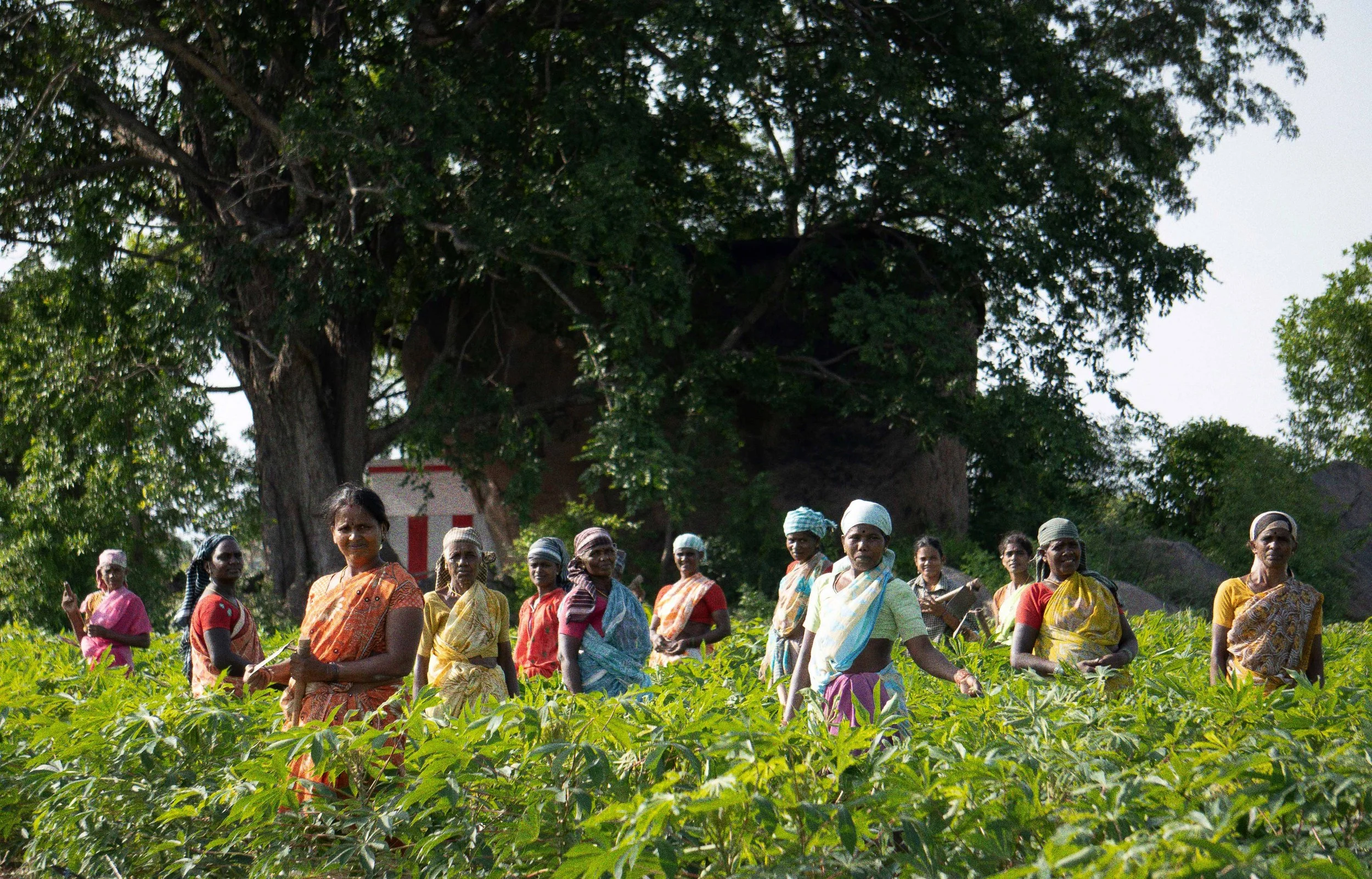
CIN trains women, girls, and young people to collect real-time data on heat, water, and air quality. They equip grassroots leaders and adolescent girls with digital literacy, environmental monitoring skills, and advocacy tools. For example, young women collect both quantitative and qualitative data during urban heat waves to document their experiences of facing heat stress and inadequate menstrual health infrastructure.
The qualitative data is used to complement heat stress analysis and inform the design of more gender and climate-responsive urban infrastructure. They are also developing a gamified mobile app to enable community data entry and storytelling, scheduled for launch in 2025.
Results to Date
Built a nationwide youth-led network of district members for climate and health data collection.
Trained women and girls as citizen scientists, generating datasets and testimony on heat stress and menstrual health.
Contributing youth-generated data and lived experiences to influence policy, including support for Sri Lanka’s NDC 3.0 goals with UNICEF and the Ministry of Environment.
They have also used their data in community-level consultations with municipal planners and government climate units, influencing how urban resilience plans and disaster preparedness efforts prioritize cooling infrastructure, women’s health, and localized risk mapping.
“Communities are already innovating and responding creatively to climate-health challenges, but they often go unrecognized and unsupported. In Sri Lanka, we don’t often see women and girls in climate science. By training them in technology and advocacy, we open leadership and livelihood opportunities.”
GEILEE SKANDAKUMAR
CIN Member
PDF Resilience Rising: Case Studies of Impact at the Climate-SRHR Nexus Across South Asia